Couldn't load your account details
Your role and committee access can't be determined, so parts of the portal may be missing or incorrect.
The Network
Grantees
The five labs funded this cycle and what each is working on right now. Reach out directly to explore a collaboration or shared reagents.
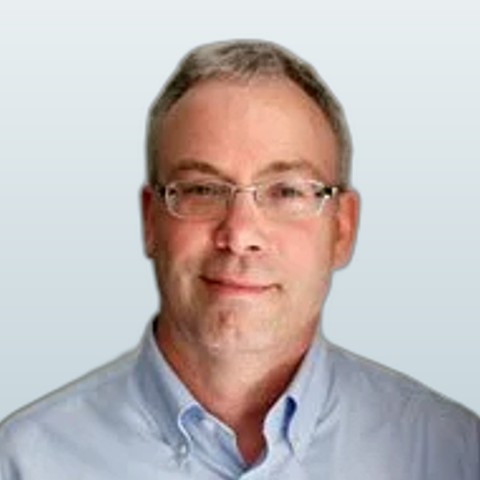
Wade Harper, PhD
Harvard Medical School
Autophagy & endolysosomal proteomics
Understanding FTD risk alleles through the lens of endolysosomal molecular profiles
Building molecular maps (proteomics, lipidomics, cryo-ET) of the endolysosomal system across FTD driver mutations (C9ORF72, GRN, MAPT, CHMP2B) to test whether they share a common molecular basis.
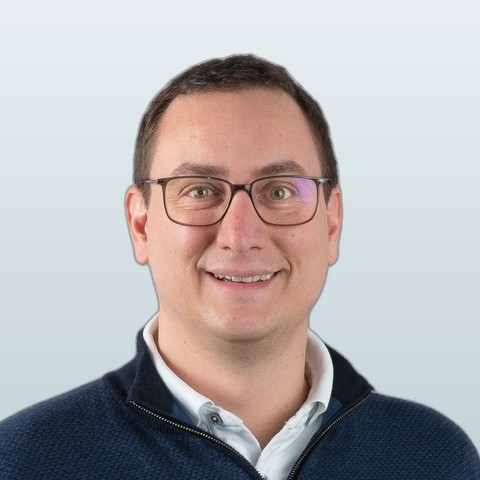
Florian Wilfling, PhD
Max Planck Institute for Biophysics
Lysosomal structural biology
Comparative lysosomal ultrastructure in FTD using cryo-electron tomography
Using cryo-ET and whole-cell volume imaging to compare lysosome architecture across FTD mutations in neurons versus microglia.
Tobias Walther, PhD
Sloan Kettering & Cornell
Lysosomal lipid metabolism
Granulin-deficient FTD: disease mechanisms and intervention strategies
Defining how progranulin (GRN) deficiency disrupts lysosomal lipid metabolism, and testing whether modulating sphingolipids can treat FTD/ALS.
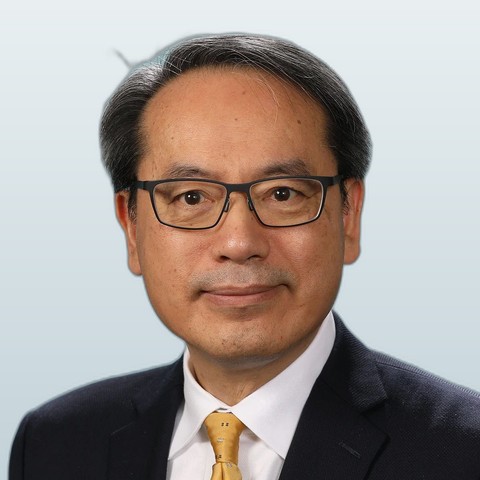
Eric J. Huang, MD, PhD
Washington University in St. Louis
Neuroimmunology & microglia
TLR7 signaling in autoimmune dysfunction and neuroinflammation in FTD
Investigating how combined progranulin and C9orf72 loss drives TLR7-mediated immune dysfunction in B cells and microglia, and whether TLR7 inhibition is protective.
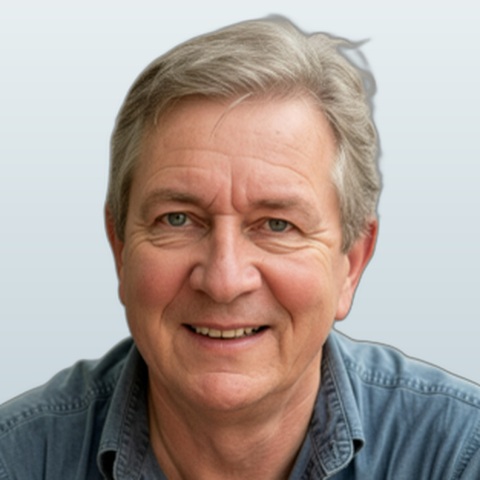
Joachim Herz, MD
UT Southwestern
Lysosomal protein sorting
Progranulin as a secretory-pathway scaffold for lysosomal protein sorting
Mapping progranulin's secretory-pathway interaction partners (SIMPL screen + cryo-EM) to explain how its loss selectively depletes lysosomal enzymes in FTD.